







Search Results for: performative ordering
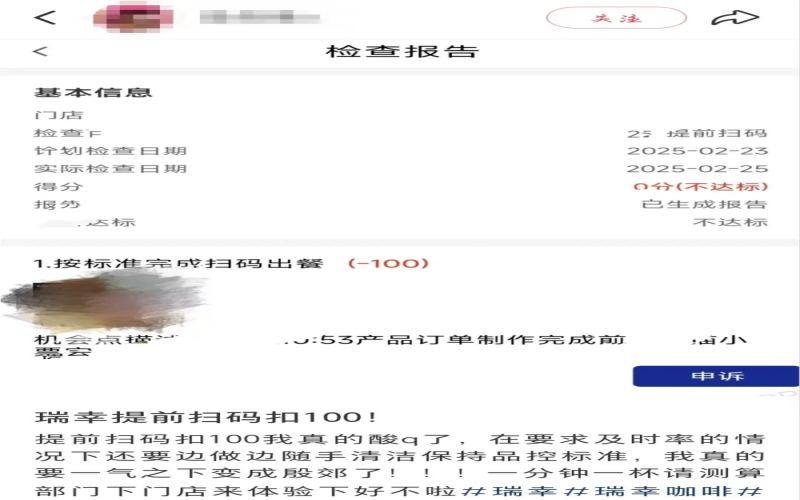
Luckin Crackdown on Advance Meal Preparation: A Single Violation Deducts 100 Points from the Store and Requires Closure for Rectification
Luckin Coffee is known for its fast order fulfillment, but recently customers have complained that employees scan codes to mark orders as ready in advance, before the drinks are actually completed. In response, Luckin's headquarters has begun strictly cracking down on such violations. Once auditors discover early order fulfillment, the store will directly have 100 baseline points deducted, causing the performance of all staff to suffer and requiring the store to close for rectification. Faced with the new policy, employees are caught in a dilemma: fulfilling orders early may lead to heavy penalties, while not doing so causes the on-time fulfillment rate to drop noticeably. In understaffed stores, baristas are forced to make a difficult choice between "performance point deductions" and "ugly data," and work pressure has surged. This article compiles feedback from employees in various regions to present the real store ecosystem under Luckin's new rules. [more…]

Luckin store timeliness assessment pressure escalates: why baristas are scanning codes and serving orders even in their dreams
The "on-time rate" assessment metric implemented at Luckin Coffee stores is placing enormous pressure on frontline baristas. This figure, which reflects whether orders can be completed within the system's scheduled time, not only affects the customer experience but is also directly tied to employee performance. To maintain the compliance threshold, staff have no choice but to push themselves to the limit during rush periods—some even dream about scanning codes and serving orders. This article will take an in-depth look at how the on-time rate assessment operates, its dual impact on store operations, and the real situation baristas face under high pressure. When digital management conflicts with humanistic care, how should brands balance efficiency and employee well-being? [more…]

Luckin employee left alone to run the store faces a restroom dilemma, forced to close and deal with bad reviews and performance review pressure.
At Luckin Coffee stores, it is not uncommon for a single employee to be on duty alone. When biological needs strike, leaving the post to use the restroom becomes a challenge: the receipt printer keeps spitting out orders, customers and delivery riders are waiting, and negative reviews are tied to wages—all of which put immense pressure on the staff. To address personal needs with peace of mind, some employees choose to temporarily close the store, pausing both online and offline orders; others indirectly suspend operations by cutting off water or coffee beans. Meanwhile, employees at brands like Manner and Cotti also face similar predicaments. Although understaffing can save operational costs, it may lead to frequent store closures, potentially damaging the brand image in the long run. This article will delve into the employee struggles and management contradictions behind this phenomenon. [more…]
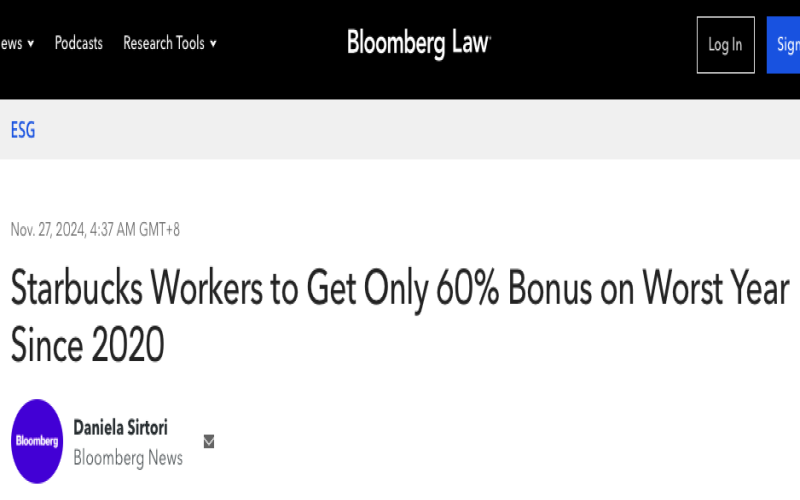
Starbucks Bonuses Shrink Sharply This Fiscal Year, Employees Get Only 60%—Can New CEO's Reforms Work?
Starbucks has just experienced a disappointing fiscal year. According to Bloomberg, due to the company's financial performance falling short of expectations, many employees will only receive 60% of their total bonuses this year, and senior executives have also lost performance-based pay raises. U.S. same-store sales have declined for three consecutive quarters, dropping 7% this quarter. New CEO Niccol is trying to reverse the downturn by simplifying the menu, restoring the handwritten cup tradition, and adding ceramic mugs, but with the workforce down 8% year-over-year, one cannot help but question whether these additional services will become an extra burden on store staff. Whether the shadow of shrinking bonuses will affect domestic coffee industry workers remains undetermined. [more…]
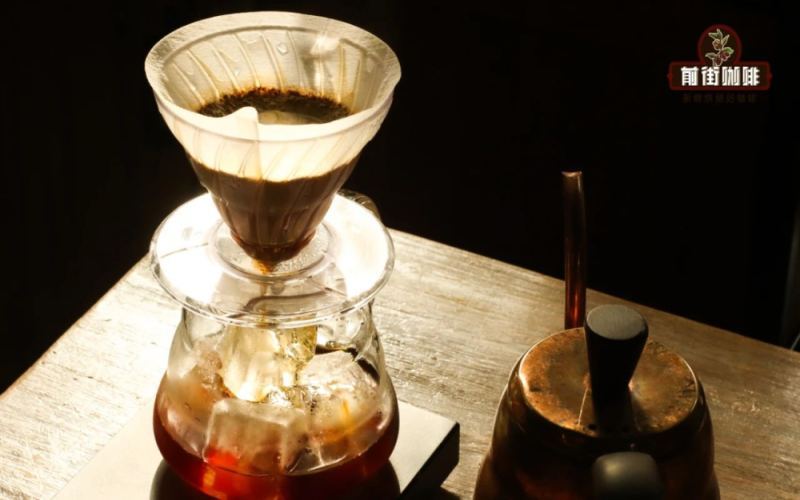
Comparing Ice Order in Iced Pour-Over Coffee: Brewing Differences and Flavor Performance Between Adding Ice First and Adding Ice Last
Iced pour-over coffee is a popular way to drink coffee in the heat of summer, but does the timing of when the ice is added—before or after brewing—really affect the final flavor? Front Street Coffee used Gold Label Geisha as a sample and conducted controlled brews at 93°C, comparing the similarities and differences between the two methods from the brewing process to the tasting experience. The article not only breaks down the specific steps for adding ice first versus adding ice later, but also records the flavor changes right after the first sip and after letting it sit for 5 minutes, helping coffee enthusiasts find the cup that better suits their own taste. [more…]
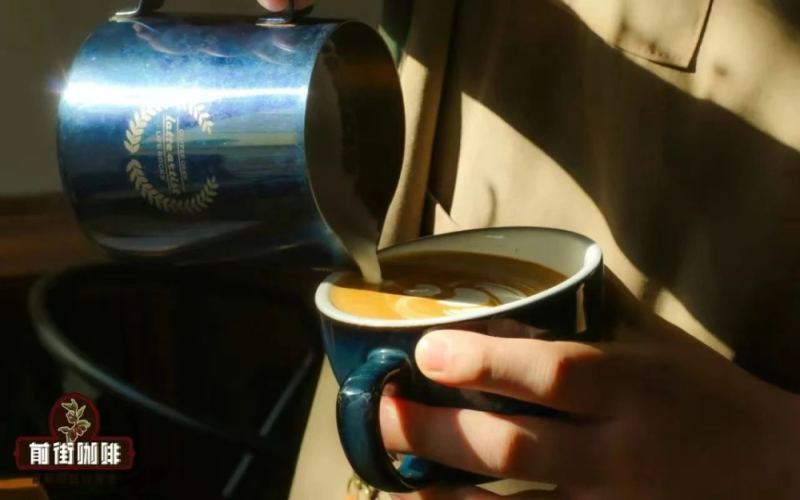
What's the difference between a latte and a cappuccino? A clear breakdown from ratios and milk foam thickness to latte art performance
Latte and cappuccino are the two most common classic milk coffees in coffee shops, but many friends who are new to coffee are not clear about their real differences, and often order based on whether the latte art looks good or whether the name sounds fancy, resulting in a coffee that does not match their expectations. From the perspective of Front Street, this article systematically sorts out the differences between these two drinks: they use the same ingredients, all being espresso, milk, and milk foam, but the ratios and milk foam thickness are completely different. A latte has a high proportion of milk and thin milk foam, tastes sweeter, and is suitable for complex latte art; a cappuccino has less milk and thick milk foam, with a more prominent coffee flavor and a creamier mouthfeel. The article also introduces the characteristics of two espresso beans, Front Street Classic Blend and Front Street Commercial Blend, suitable as a reference for enthusiasts who want to make lattes and cappuccinos at home. [more…]
Characteristics of Latte Coffee Beans | What's the Difference Between Classic Italian Milk Coffees: Latte, Cappuccino, and Mocha? Recommended High-Cost-Performance Espresso Beans for Making Lattes and Americanos
Do you know what the differences are between Latte, Cappuccino, and Mocha? Standing in front of the café's ordering counter, have you ever had this question but not dared to ask it out loud, so you just ordered one at random, or always ordered the same [more…]
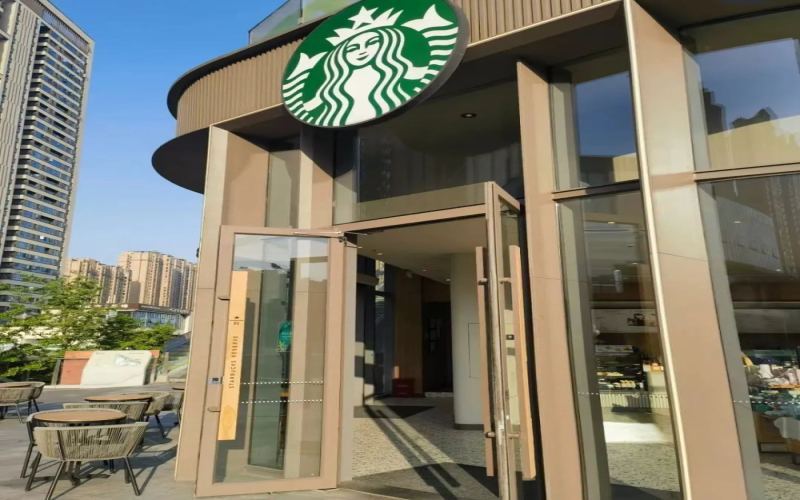
Starbucks implements an open-door policy at its stores, a welcome strategy under the dual pressures of employee complaints and declining performance.
Starbucks has always centered its brand around the "third place," offering customers a comfortable and relaxing coffee experience. Recently, however, Starbucks stores in multiple cities have received company directives requiring them to keep their doors fully open during business hours, a move that has drawn complaints from both employees and customers. Issues such as loss of air conditioning, noise disturbance, and invading insects have followed one after another, while management believes that closing the doors would make customers mistakenly think the store is not open. What this reflects behind the scenes is the harsh reality of declining performance. From financial report data to rumors of "seat-then-order," and now to "opening the doors to welcome customers," Starbucks is facing unprecedented challenges in the Chinese market. This article will explore in depth the reasons behind this policy and its impact on the brand. [more…]
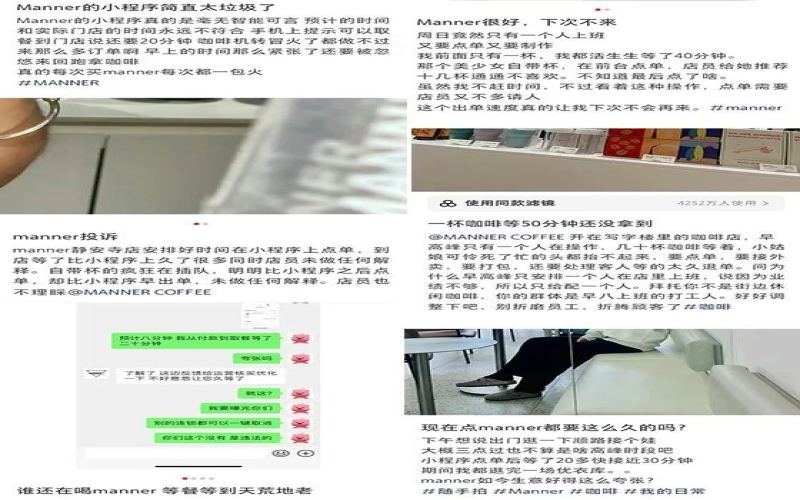
Manner's Slow Service Sparks Heated Debate: Store Staffing Arrangements Draw Criticism, Customers and Employees Alike Call for Improvement
Manner Coffee has won the favor of many consumers with its high cost-performance and thoughtful service. Bringing your own cup and ordering ahead via the mini-program have become daily choices for many office workers. However, recently, complaints about slow order fulfillment at Manner stores have been increasing. The completion times shown in the mini-program are severely inconsistent with actual wait times, and waits of twenty minutes or even an hour during peak hours are common. What dissatisfies consumers even more is that some stores are staffed by only one employee, who is overwhelmed when orders surge, causing customers and delivery riders to be stranded for long periods. Some netizens left bad reviews due to slow order fulfillment, but received a reply from the store saying that "the employee involved has been seriously dealt with," sparking widespread controversy. This article will sort out the course of the incident, netizens' views, and the actual situation of Manner employees, and explore how the brand can balance efficiency and employee care amid rapid expansion. [more…]

Domestic coffee machine sales soar: cost-effectiveness and smart features fuel market explosion, export orders surge
Affected by both the pandemic and rising coffee bean prices due to reduced harvests, more and more consumers are turning to making coffee at home, driving rapid growth in the coffee machine market. According to a CCTV Finance report, coffee machine sales climbed for six consecutive months in 2022, with year-on-year growth peaking at over 200%, and domestic coffee machines performing especially well. With features such as smart temperature control and pressure adjustment, plus outstanding value for money, domestic models have not only won favor in China but also seen a sharp increase in export orders, with some companies operating at full capacity. This article reviews market data, export trends, and consumer preferences, and brings professional insights from Front Street Coffee. [more…]
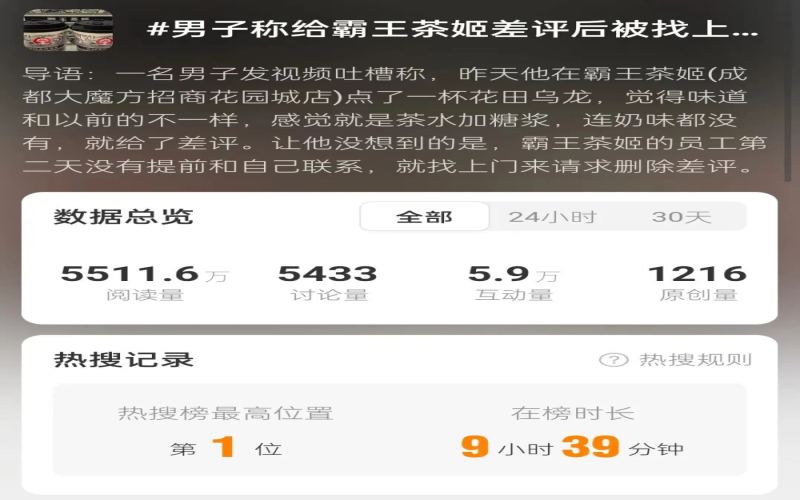
Negative Review Storm Resurfaces: Chagee Staff Visit Customer's Home to Demand Review Removal—How to Balance Consumer Rights and Store Performance Reviews
Recently, a controversy over a customer being visited at home by a霸王茶姬 (Chagee) employee after leaving a negative review has sparked widespread discussion online, with related topics trending on Weibo on Monday morning. According to Star Video, on July 20, a man in Chengdu, Sichuan Province, posted a video claiming that after consuming a drink at Chagee the previous day, he felt the taste was different from before. He did not choose to request a refund or a remake, but directly left a negative review on the order. Unexpectedly, the next day, the employee suddenly showed up at his door without contacting him in advance, asking him to delete the negative review. After the incident was exposed, netizens had mixed views on the employee's behavior, with some exclaiming "too scary," while others expressed understanding for the worker. Chagee customer service responded that the store wanted to communicate amicably with the customer, and the store manager involved explained that they went to the customer's home because the delivery rider, the store, and the platform all could not get through to the customer by phone. This article sorts out the course of the incident and the views of all parties, and explores reasonable ways for merchants to respond to negative reviews. [more…]

Under Luckin Coffee's store review assessment pressure, employees are forced to solicit reviews from customers, sparking controversy.
Recently, many Luckin Coffee customers have encountered an unexpected situation when picking up their orders in-store: normally quiet staff members are proactively speaking up, asking customers to leave a positive review. Behind this phenomenon is Luckin's internal "Countless Smiles" competition targeting store positive review rates. In some regions, stores have been forced by management to participate, and positive review rate rankings directly affect employee performance evaluations and disciplinary rewards and punishments, forcing frontline employees to solicit positive reviews from customers picking up orders, and even asking regular customers to help boost reviews. However, the frequent solicitation of positive reviews has also triggered consumer resentment, with some customers bluntly saying it is "annoyingly unbearable," and even considering filing complaints with 12315. Employees are equally full of complaints, believing that this mandatory requirement puts them in a difficult position. This article will provide an in-depth analysis of the conflict between stores and customers caused by this positive review assessment. [more…]

On the first day of the Bawang Chaji and Nezha 2 collaboration, materials were in disarray, and packaging shortages and mismatches sparked fan dissatisfaction.
The Chagee x "Ne Zha 2" collaboration officially launched today. Fans, who had been eagerly awaiting it, rushed to place orders for the limited-edition merchandise. However, on the very first day of the campaign, problems such as material shortages, mismatched packaging, and inconsistent execution across stores came to light, triggering strong dissatisfaction among consumers. By contrast, the earlier Cotti Coffee x "Ne Zha 2" collaboration was praised as "textbook-level" for its timely after-sales service and genuine sincerity. Chagee's chaotic performance this time has left many fans openly disappointed, with some even joking that they "couldn't even copy the homework properly." This article reviews the specific problems and consumer feedback from the first day of the campaign, and looks back at Cotti's successful experience, offering a comprehensive perspective for coffee and tea beverage enthusiasts. [more…]
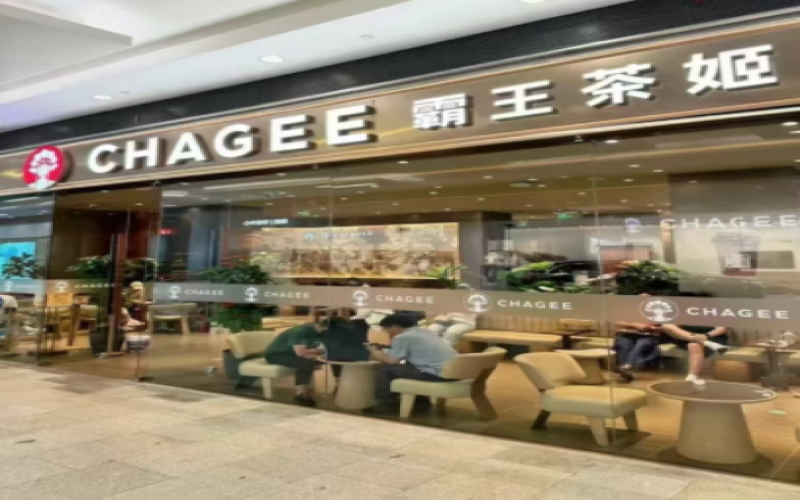
Bawang Chaji's negative review assessment sparks heated discussion: store pressure, employee salary deductions, and official response
Recently, there have been reports that Chagee sets a strict upper limit on the number of negative reviews for its stores: no more than three negative reviews per ten thousand orders, otherwise the pay of all staff will be affected. Although the brand responded that this claim is untrue, discussion around its assessment mechanism continues. From store tier classification to employee performance deductions, from visiting customers to beg for review deletion to paying teams to handle them, a series of practices reflects the tea beverage industry's extreme sensitivity to customer reviews amid rapid expansion. This article will sort out the sequence of events, employee disclosures and the official response, and explore the management logic and controversies behind this assessment method. [more…]
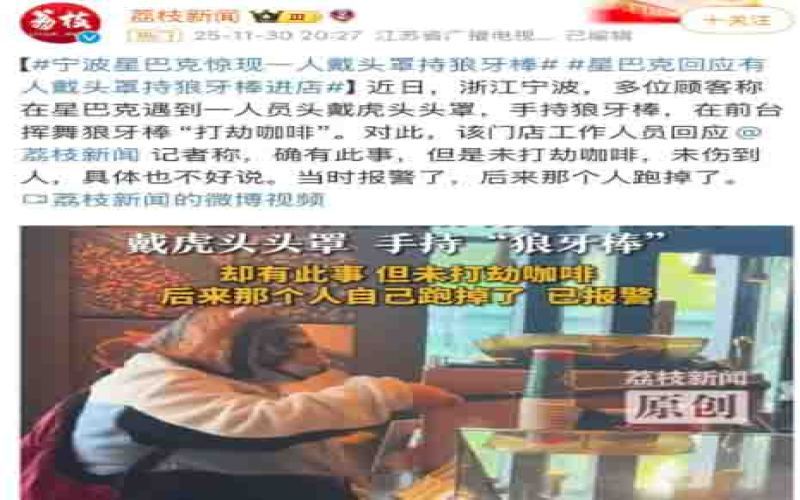
A customer wearing a tiger head mask and holding a spiked club was seen ordering at a Starbucks store in Ningbo; the staff calmly called the police to handle the situation.
Recently, a bizarre scene unfolded inside a Starbucks store at a Yizhaoweide Plaza in Xiangshan, Ningbo, Zhejiang: a customer wearing a tiger-head mask and carrying a spiked club appeared in the store, drawing widespread attention from customers present and netizens alike. According to multiple media reports, the incident occurred on November 27, and video showed the customer standing by the front counter, waving the spiked club while communicating with staff. The incident quickly gained traction on social media, with many people expressing confusion over the person's behavior and speculating that the motive might have been performance art or a prank. On November 30, staff at the store involved responded, saying that the customer did not rob the store of coffee or injure anyone, that employees promptly called the police and reassured customers, and that the individual subsequently left on their own. This incident not only sparked discussion about safety in public places, but also left people reflecting on the unexpected situations service industry workers face. [more…]

The Ideal Temperature for Americano | How Big Is the Difference in Flavor and Mouthfeel Between Hot and Iced Americano? An Introduction to the Standard Recipe for Hot Americano: Coffee-to-Water Ratio and Water Temperature
Because American soldiers during World War II were not used to the extremely strong small cups of coffee local to Europe, they asked the shops to add hot water to dilute it, imitating the taste and flavor of American drip coffee. And because this cup of coffee was widely popular among American soldiers, it was named Americano "America [more…]
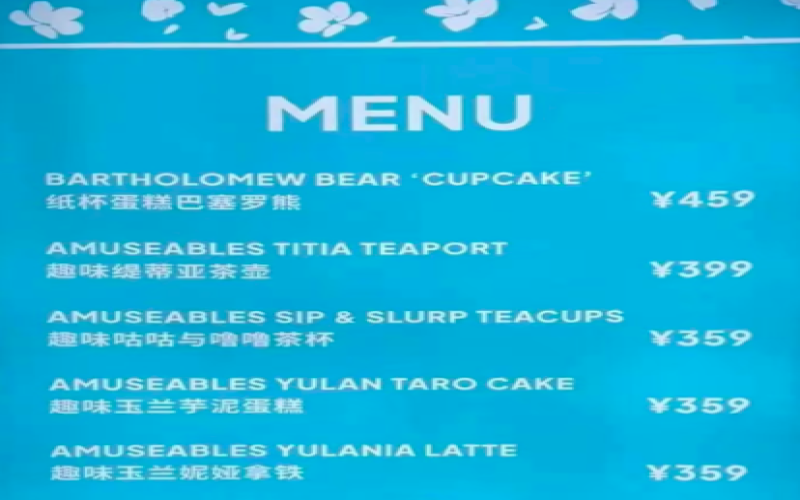
A 359-yuan latte is actually a plush toy? Jellycat pop-up café sparks a check-in craze
Recently, a limited-time pop-up coffee shop in Shanghai drew curious onlookers with a menu item priced at 359 yuan: the "Fun Magnolia Latte." This coffee pop-up, opened by the British toy brand Jellycat, doesn't actually sell real coffee but instead offers cute plush toys. After customers place an order, staff complete the "making" and packaging through a simulated scene. This theatrical, performance-style service has become a hallmark of the brand. Some find it awkward, while others thoroughly enjoy it. This article will walk you through how this unique "coffee shop" operates and the heated discussions among netizens about this phenomenon. [more…]
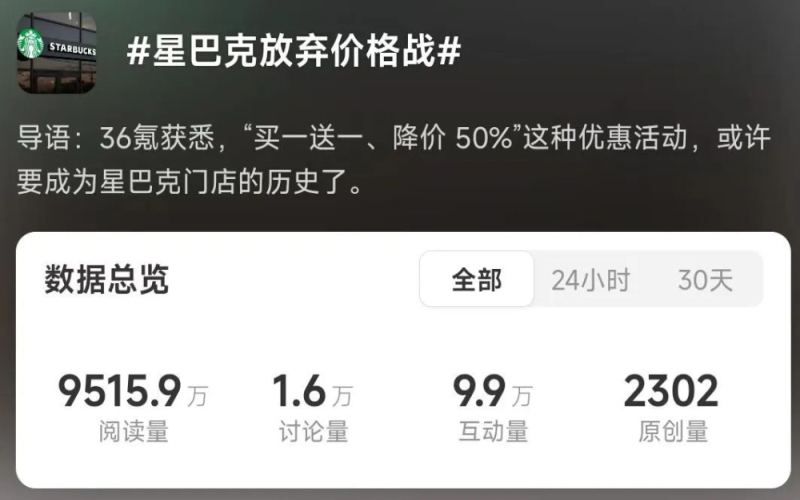
Starbucks' $19 breakfast combo quietly returns to delivery channels, single-item no-delivery rule sparks consumer debate
Starbucks recently announced an adjustment to its pricing strategy, abandoning its previous low-price promotional approach. CEO Brian Niccol explicitly stated the need to fundamentally change the business direction, and the North American market has already taken the lead in canceling buy-one-get-one-free and half-price offers. Meanwhile, some consumers have noticed that the 19-yuan breakfast combo, which had been off the menu for over a year, has quietly reappeared on delivery platforms. This combo was originally created during the pandemic, pairing a staple food with freshly steamed milk. Thanks to its high cost-performance ratio, it became popular among office workers in first- and second-tier cities and was jokingly called the "broke loser set meal." However, this return is limited to delivery channels only, and a minimum-order threshold has been set so that the combo cannot be delivered on its own—consumers must add extra items to place an order. This rule quickly sparked discussion on social media. This article will sort out the background of Starbucks' pricing strategy adjustment, review the origins and development of the 19-yuan breakfast combo, and present the diverse reactions of consumers to this comeback. [more…]
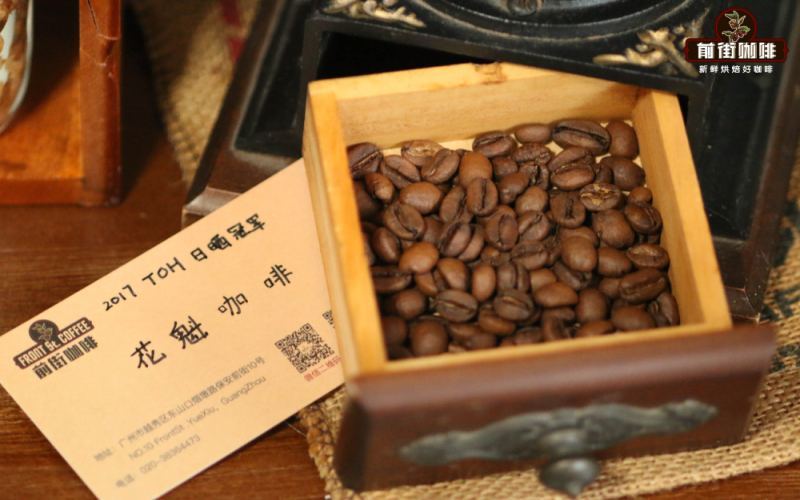
Complete Guide to Huakui Coffee: Roasting Key Points, Brewing Parameters, and Flavor Comparison of Five Extraction Methods
Since winning the TOH championship in 2017, Huakui coffee has become an indispensable everyday choice for lovers of fruity coffee. From the perspective of Front Street, this article traces the origin of the name Huakui and the logic behind its version iterations, explains in detail its roasting orientation and flavor characteristics, and systematically presents the specific parameters and flavor performance of five extraction methods—V60, Clever Cup, French press, AeroPress, and cold brew—to help coffee enthusiasts fully master the brewing essentials of this Ethiopian natural bean. [more…]
What Is the Difference Between Americano and Long Black? A Comprehensive Analysis from Extraction Method to Flavor Differences
American coffee and Long Black are both based on espresso, but the difference in preparation order brings about completely different taste experiences. The former is extracted first and then diluted with water, so the crema is dispersed and the concentration is even; the latter is poured with water first and then the espresso is added, so the crema is preserved and the flavor goes from strong to weak. Whether a cup of American coffee tastes good depends on the quality of the coffee beans and the extraction level. Front Street Coffee takes the Sunflower Warm Sun blend as an example, using the same beans to make American coffee and Long Black separately, showcasing the different layers of sherry aroma, berry acidity, and chocolate finish. This article will also introduce in detail the recipes, flavor characteristics, and suitable scenarios of Front Street's four Italian-style blends, helping coffee lovers find the cup that suits them. [more…]